
Nullam dignissim, ante scelerisque the is euismod fermentum odio sem semper the is erat, a feugiat leo urna eget eros. Duis Aenean a imperdiet risus.






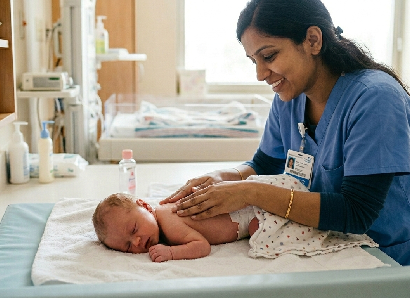
The neonatal period, defined as the first 28 days of life, is the most delicate and medically dynamic stage of early childhood. During this time, a newborn transitions from complete intrauterine dependence to independent breathing, circulation, feeding, temperature regulation, and immune adaptation. These physiological adjustments occur rapidly and require structured supervision to ensure stability. Newborn care in Thoraipakkam at Dr. Revathi’s Children’s Clinic focuses on systematic monitoring rather than assumption-based observation. Every baby is evaluated individually to ensure safe adaptation to life outside the womb.
Dr. Revathi A (MBBS, MD – Pediatrics) Pediatrician, Neonatologist and Paediatric Intensivist with 19 years of clinical experience, leads structured newborn baby care at the clinic. Her intensive care background strengthens early identification of subtle neonatal concerns such as feeding instability, jaundice progression, temperature imbalance, and early infection signs. Parents seeking infant and newborn care in Thoraipakkam benefit from evidence-based essential newborn care protocols that prioritize preventive supervision and parental clarity.
Essential newborn care refers to a structured set of medical practices delivered during the neonatal period to ensure survival, adaptation, and healthy development. It includes thermal regulation, early breastfeeding support, infection prevention, safe umbilical cord care, jaundice monitoring, and routine screening. The essential care of the newborn reduces preventable complications and strengthens physiological stability during this vulnerable phase.
In Thoraipakkam, structured newborn care ensures that early warning signs are identified before they escalate. Rather than reactive treatment, the focus remains preventive and documentation-driven. Parents are educated on normal newborn behaviors, feeding frequency, urine output patterns, and safe home practices. This systematic approach strengthens parental confidence while ensuring medical accuracy.
Internally, a newborn undergoes rapid biological transformation. The lungs begin full oxygen exchange, fetal circulation pathways close, and liver metabolism adapts to bilirubin processing. Blood sugar regulation becomes independent, requiring stable feeding patterns. The immune system begins responding to environmental exposure, making structured monitoring critical during this transition phase
Without professional supervision, subtle instability may go unnoticed. Structured newborn care in Thoraipakkam ensures safe adaptation through clinical evaluation of respiratory patterns, feeding tolerance, hydration status, and neurological responses. Early detection prevents complications and supports long-term growth stability
The first seven days after birth represent a high-risk adjustment period. Mild weight loss is common; however, excessive reduction may indicate feeding challenges or dehydration. Monitoring during this stage ensures that nutritional intake meets physiological demands. Structured newborn baby care includes weight tracking and hydration assessment within the first week.
Parents in Thoraipakkam are guided to observe feeding frequency, urine output, stool changes, and skin color. Early follow-up appointments ensure that any deviations are addressed promptly. Preventive evaluation during the first week significantly reduces neonatal complications.
The newborn umbilical cord stump typically detaches within 7 to 21 days. During this time, proper umbilical cord care is essential to prevent infection. Application of oils, powders, or unverified substances may increase the risk of cord-related complications. Evidence-based cord newborn care focuses on keeping the stump clean and dry
At Dr. Revathi’s Children’s Clinic in Thoraipakkam, parents receive clear instructions on safe newborn umbilical cord management. Monitoring for redness, swelling, foul odor, or discharge ensures early intervention when needed. Structured supervision reduces the risk of neonatal infection
Jaundice is common during the neonatal period due to immature liver metabolism. While mild jaundice is often physiological, elevated bilirubin levels require careful monitoring. Structured newborn care in Thoraipakkam includes visual examination and feeding adequacy assessment to ensure safe bilirubin clearance.
Parents are educated about recognizing worsening jaundice and when to seek evaluation. Timely monitoring prevents severe complications and ensures safe neurological protection. Jaundice management is integrated into the broader essential newborn care plan.
Feeding is central to newborn stability. Inadequate milk transfer, poor latch, or infrequent feeding may result in dehydration or excessive weight loss. Structured newborn baby care includes feeding evaluation rather than assumption-based guidance. Early lactation correction prevents long-term nutritional concerns.
At Dr. Revathi’s Children’s Clinic, feeding frequency, latch quality, and urine output are carefully assessed. Mothers receive support and reassurance to ensure effective breastfeeding. Feeding supervision strengthens immune stability and healthy weight gain.
Growth during the neonatal phase provides measurable evidence of health stability. Weight gain, head circumference progression, and feeding tolerance reflect adequate nutrition and metabolic balance. While mild weight loss during the first few days is normal, sustained growth thereafter is essential. Structured newborn care in Thoraipakkam ensures that every baby’s growth pattern is plotted on standardized pediatric growth charts rather than estimated informally. Documentation allows trend analysis rather than single-point assessment.
Beyond physical growth, early neurological responses are evaluated carefully. Primitive reflexes such as rooting, sucking, Moro reflex, and grasp reflex provide insight into neurological development. Monitoring tone symmetry and spontaneous movements helps detect subtle concerns early. Systematic growth assessment ensures that newborn baby care supports both physical and neurological foundations.
Regular follow-up visits during the neonatal period prevent delayed detection of complications. A structured schedule ensures systematic review rather than reactive consultation. Early visits focus on feeding adequacy, weight stability, jaundice monitoring, and umbilical cord healing. Timely evaluation reduces preventable hospital readmissions and strengthens parental reassurance
Below is a simplified structured follow-up model followed during newborn care in Thoraipakkam
| Age | Primary Focus of Visit | Medical Objective |
|---|---|---|
| 3–5 Days | Feeding review & weight check | Assess latch, feeding frequency, urine output, and early weight loss. Screen for dehydration and early jaundice. Ensure stable adaptation after discharge. |
| 1 Week | Jaundice & hydration assessment | Evaluate bilirubin progression, confirm feeding adequacy, and monitor weight recovery. Inspect newborn umbilical cord healing. |
| 2 Weeks | Growth monitoring & cord healing | Confirm steady weight gain and normal head growth. Assess cord detachment and review sleep and feeding stability. |
| 4 Weeks | Developmental review & feeding stability | Evaluate reflexes, tone, alertness, and feeding rhythm. Document growth trends and ensure smooth transition into infancy. |
While routine newborn baby care focuses on preventive supervision, certain symptoms require urgent pediatric evaluation. Neonates can deteriorate quickly if infection, dehydration, or respiratory instability develops. Recognizing early warning signs allows timely intervention and reduces serious complications.
Parents searching for neonatal care in Chennai or newborn care in Thoraipakkam often seek reassurance about emergency indicators. Structured education ensures caregivers understand the difference between normal newborn behaviors and medical red flags. Prompt evaluation protects neurological and systemic health.
Newborn immune systems are immature, making infection prevention a priority. Structured hygiene practices significantly reduce neonatal infection risk. Proper hand hygiene, limited visitor exposure, and clean feeding practices form the foundation of safe newborn baby care.
At Dr. Revathi’s Children’s Clinic in Thoraipakkam, parents receive clear, evidence-based guidance on infection prevention. Education replaces anxiety-driven restrictions with medically appropriate precautions. Early detection of lethargy, feeding changes, or temperature instability ensures prompt evaluation
Newborn care requires structured supervision, pediatric expertise, and a preventive focus. At Dr. Revathi’s Children’s Clinic, neonatal monitoring is systematic and documentation-driven. Dr. Revathi A’s 19 years of pediatric & neonatal experience and background as a Paediatric Intensivist strengthen early recognition of subtle risk factors. This ensures that newborn care in Thoraipakkam remains proactive rather than reactive.
Parents seeking the best newborn care doctors in Chennai often prioritize experience, clarity, and ethical guidance. The clinic provides consistent follow-up scheduling, safe clinical practices, and personalized newborn baby care plans. Local accessibility ensures timely consultation without travel stress during vulnerable early days.
The neonatal period lays the medical and developmental foundation for a child’s future health. Structured newborn care in Thoraipakkam ensures that physiological transitions such as feeding stability, temperature regulation, bilirubin metabolism, and immune adaptation occur safely under pediatric supervision. Early detection of subtle deviations—whether related to weight trends, jaundice progression, umbilical cord healing, or infection risk—prevents avoidable complications. Preventive evaluation during the first 28 days significantly reduces emergency visits and strengthens long-term growth patterns.
At Dr. Revathi’s Children’s Clinic, newborn baby care integrates essential newborn care principles with systematic follow-up and ethical pediatric guidance. From structured newborn umbilical cord care to feeding supervision and developmental monitoring, every stage is documentation-driven and evidence-based. Parents in Thoraipakkam benefit from clarity, reassurance, and timely access to pediatric expertise. Early supervision not only safeguards immediate neonatal health but also builds a confident, stable transition into infancy.
If you are looking for structured, medically supervised newborn care in Thoraipakkam, schedule an appointment at Dr. Revathi's Children's Clinic. Early neonatal evaluation protects your baby's health and supports a confident transition into infancy.
