

Nullam dignissim, ante scelerisque the is euismod fermentum odio sem semper the is erat, a feugiat leo urna eget eros. Duis Aenean a imperdiet risus.





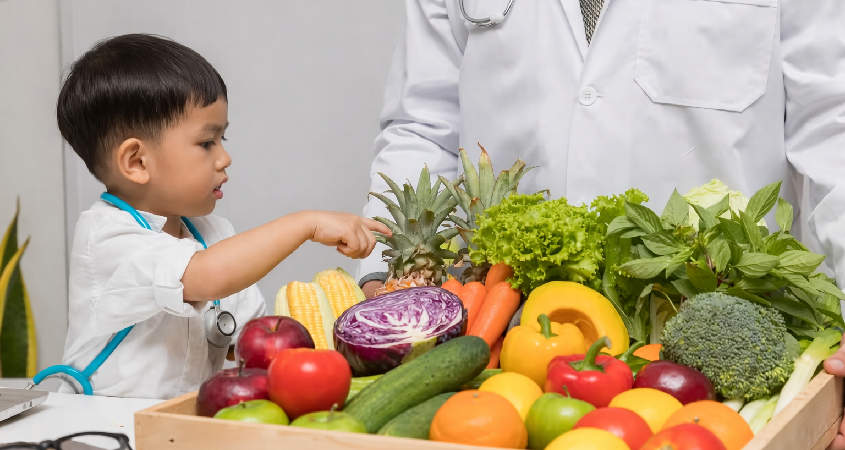
Proper nutrition during childhood builds the foundation for lifelong health, strong immunity, optimal brain development, and healthy growth. From newborn feeding concerns to toddler picky eating and adolescent nutritional balance, every stage requires age-appropriate dietary planning.
At our Pediatric Nutrition Counselling Clinic in Thoraipakkam, I provide personalized, evidence-based dietary guidance tailored to your child's age, growth pattern, activity level, and medical history. My approach combines scientific pediatric nutrition principles with practical meal planning suited to Indian families.
Nutrition in early childhood influences immunity, cognitive development, bone strength, hormonal balance, and metabolic health. Inadequate or imbalanced nutrition may lead to recurrent infections, growth delays, anemia, obesity, or poor concentration in school.
Many parents feel confused by online diet advice. I focus on structured, science-backed counselling that supports steady weight gain, proper height growth, and balanced micronutrient intake — without unnecessary supplements.
Children's nutritional needs change rapidly during growth phases. Feeding patterns that work for a toddler may not be suitable for a school-going child or teenager.
I assess growth charts, feeding habits, medical history, and family dietary patterns before designing an individualized nutrition plan.
Here is a simple, balanced daily meal pattern for toddlers.
| Time | Meal | Example Options |
|---|---|---|
| Morning | Breakfast | Idli with sambar / Vegetable upma / Oats porridge |
| Mid-Morning | Snack | Banana / Apple slices / Boiled sweet potato |
| Lunch | Main Meal | Rice + Dal + Vegetables + Curd |
| Evening | Snack | Sprouts / Boiled corn / Milk |
| Dinner | Light Meal | Chapati + Vegetable curry / Khichdi |
Portions vary based on weight and appetite.
This chart is customized depending on:
Poor weight gain may be due to inadequate calorie intake, feeding difficulties, recurrent infections, or absorption issues. Simply forcing food is not the solution.
I calculate calorie requirements based on growth charts and design high-calorie, nutrient-dense meal plans using natural foods instead of unnecessary supplements.
Childhood obesity increases the risk of early diabetes, hormonal imbalance, and metabolic disorders. Restrictive dieting is harmful in children.
Instead, I focus on sustainable portion control, healthy snacking habits, screen-time reduction, and balanced family-based diet correction.
Picky eating is common between 1–5 years. Parents often worry unnecessarily, leading to pressure feeding and mealtime stress.
I guide parents on structured meal timing, food exposure techniques, and avoiding force-feeding, which can worsen food aversion.
Frequent infections may sometimes relate to nutritional gaps, especially iron, zinc, vitamin D, and protein deficiency.
Rather than blindly prescribing supplements, I assess dietary intake and recommend targeted correction through food whenever possible.
Iron deficiency is common in growing children and may present as fatigue, poor appetite, pale skin, or poor concentration.
Early diagnosis and dietary correction are important to prevent long-term cognitive effects.
For newborns and infants, breastfeeding support is crucial. I help mothers with latching techniques, milk supply concerns, and safe transition to complementary feeding.
Proper early feeding reduces allergy risk, improves immunity, and supports brain development.
Understanding growth percentiles helps parents know how their child is growing compared to other children of the same age and gender.
| Percentile Range | What It Means | Is It Normal? | When to Worry? |
|---|---|---|---|
| 3rd – 10th | On the lower side of growth curve | Can be normal if consistent | If sudden drop from higher percentile |
| 10th – 25th | Slightly below average | Usually normal | Monitor steady growth |
| 25th – 75th | Average growth range | Yes, considered healthy | No concern if steady |
| 75th – 90th | Above average | Normal if proportional | Watch rapid weight gain |
| Above 95th | Significantly above average | May indicate overweight | Needs evaluation |
| Below 3rd | Very low growth | Requires medical assessment | Immediate pediatric review |
Important: Growth pattern over time matters more than a single reading. Sudden drops or sharp rises need evaluation.
BMI in children is interpreted using age and gender-specific percentiles.
| BMI Percentile | Category | Health Interpretation |
|---|---|---|
| Below 5th | Underweight | May indicate nutritional deficiency |
| 5th – 85th | Healthy Weight | Ideal range |
| 85th – 95th | Overweight | Risk for obesity-related conditions |
| Above 95th | Obese | Requires structured weight management |
Note:Children's BMI is not interpreted like adults. It must be plotted on age-based growth charts.
This is a general healthy meal framework. Portions vary by age and growth needs.
| Day | Breakfast | Lunch | Evening Snack | Dinner |
|---|---|---|---|---|
| Monday | Idli + Sambar | Rice + Dal + Veg + Curd | Banana | Chapati + Veg Curry |
| Tuesday | Oats Porridge | Lemon Rice + Boiled Egg | Apple | Vegetable Khichdi |
| Wednesday | Dosa + Chutney | Rice + Sambar + Beans | Sprouts | Chapati + Dal |
| Thursday | Upma | Curd Rice + Carrot Poriyal | Boiled Corn | Vegetable Pulao |
| Friday | Pongal | Rice + Rajma + Veg | Dates & Nuts | Chapati + Paneer |
| Saturday | Whole Wheat Sandwich | Rice + Fish/Paneer Curry | Milk | Ragi Dosa |
| Sunday | Poori (Limited) + Potato | Vegetable Biryani | Fruit Salad | Light Khichdi |
The goal is nutrient-dense calories, not junk calories. We focus on protein, healthy fats, and complex carbohydrates.
| Time | Meal | Example Options |
|---|---|---|
| Morning | Breakfast | Ragi porridge with milk + crushed almonds |
| Mid-Morning | Snack | Banana with peanut butter |
| Lunch | Main Meal | Rice + Dal + Ghee + Vegetable + Curd |
| Evening | Snack | Boiled egg / Paneer cubes + Milk |
| Dinner | Light Meal | Chapati + Vegetable curry + Dal |
| Bedtime | Optional | Warm milk |
Avoid sugary drinks or junk food for weight gain.
The goal is healthy portion control, not restrictive dieting.
| Time | Meal | Example Options |
|---|---|---|
| Morning | Breakfast | Vegetable oats / Idli without excess chutney |
| Mid-Morning | Snack | Apple / Guava |
| Lunch | Main Meal | Brown rice + Dal + 2 vegetables |
| Evening | Snack | Roasted chana / Sprouts |
| Dinner | Light Meal | Chapati + Vegetable curry |
Focus on long-term habits, not crash dieting.
After 6 months, breast milk alone is not enough. Complementary feeding supports growth and brain development.
| Time | Food Type |
|---|---|
| Morning | Breastfeeding/formula |
| Mid-Morning | Rice porridge / Ragi porridge |
| Lunch | Main Meal |
| Afternoon | Mashed dal + rice |
| Evening | Mashed banana / Steamed apple |
| Night | Breastfeeding |
| Time | Food Type |
|---|---|
| Morning | Breastfeeding |
| Breakfast | Idli mashed with dal |
| Lunch | Soft rice + vegetables + dal |
| Evening | Fruit Puree |
| Dinner | Soft kitchadi |
| Night | Breastfeeding |
Iron deficiency is common in children and affects immunity and concentration.
| Day | Iron-Rich Addition |
|---|---|
| Monday | Spinach dal |
| Tuesday | Ragi porridge |
| Wednesday | Dates and raisins snack |
| Thursday | Rajma curry |
| Friday | Egg yolk or lean meat |
| Saturday | Beetroot poriyal |
| Sunday | Black chana curry |
Growth monitoring is one of the most important parts of pediatric healthcare. It helps us understand whether your child is growing steadily in height, weight, and head circumference according to age-specific standards. Rather than focusing on a single number, we evaluate growth trends over time using standardized growth charts recommended for children.
A child may be naturally lean or slightly heavier based on genetics, but sudden drops or rapid increases in growth percentiles require evaluation. Regular monitoring helps detect nutritional deficiencies, hormonal imbalances, chronic illnesses, or early obesity. Early identification allows timely correction through dietary adjustments and lifestyle guidance.
Growth assessment is not only about weight gain — it reflects overall health, immunity, and development. Consistent follow-up ensures that feeding plans are adjusted appropriately as your child grows.
The first five years are crucial for brain development, immunity, and lifelong eating habits. Age-appropriate nutrition supports physical growth and cognitive development.
| Age Group | Key Developmental Milestones | Nutritional Focus | Why It Matters |
|---|---|---|---|
| 0–6 Months | Smiles responsively, improved head control | Exclusive breastfeeding or formula | Supports brain growth and immunity |
| 6–9 Months | Sits without support, begins crawling | Iron-rich complementary foods | Prevents anemia and supports brain development |
| 9–12 Months | Pulls to stand, pincer grasp develops | Soft family foods and protein sources | Builds muscle strength and coordination |
| 1–2 Years | Walks independently and speaks simple words | Three meals and two snacks | Supports bone growth and speech development |
| 2–3 Years | Runs and climbs actively | Balanced plate meals | Provides energy for activity |
| 3–5 Years | Improved coordination and learning skills | Iron, protein, omega-3 and fiber-rich foods | Supports concentration and immunity |
| Nutrient | Role in Development | Food Sources |
|---|---|---|
| Iron | Brain development and attention span | Ragi, spinach, dates, rajma, egg yolk |
| Protein | Muscle growth and immunity | Dal, paneer, egg, lean meat |
| Calcium | Bone and teeth strength | Milk, curd, ragi |
| Healthy Fats | Brain development | Nuts, seeds, ghee in moderation |
| Zinc and Vitamins | Immune function | Fruits, vegetables, pulses |
Children have unique nutritional requirements that change rapidly with growth. Generic diet charts may not suit every child's developmental needs.
Personalized nutrition counselling ensures healthy growth, strong immunity, and sustainable eating habits.
Balanced nutrition today shapes your child's tomorrow. Early guidance helps manage picky eating, growth concerns, recurrent infections, and weight challenges effectively.
Schedule a Pediatric Nutrition Consultation in Thoraipakkam Today